


Drought tolerant landscaping in San Diego
Drought tolerant landscaping can reduce water demand without making the yard feel sparse or unfinished. We design and build drought tolerant landscaping in San Diego around the full property, balancing planting, irrigation, hardscape, drainage, and outdoor living areas so the space feels complete and functions well over time.
Our approach is practical. We look at how the yard is used, where shade and structure are needed, and how lower-water planting can support a cohesive outdoor environment rather than feel like a compromise.
Water-wise landscaping that still feels complete
What is drought tolerant landscaping? Drought tolerant landscaping is the design of an outdoor space that reduces water demand through thoughtful planting, irrigation, drainage, and material choices.
The goal is not simply to use fewer plants. It is to create a landscape with enough structure, contrast, and seasonal interest to feel intentional while using water more efficiently.
Designing for beauty, structure, and lower water use
A successful low-water landscape starts with composition. We consider plant form, texture, scale, spacing, and how the landscape will mature over time.
Drought tolerant planting can include a mix of shrubs, grasses, succulents, groundcovers, and other climate-appropriate species. The right mix depends on the property, sun exposure, maintenance expectations, and the look you want to achieve.
Balancing planting, hardscape, and shade
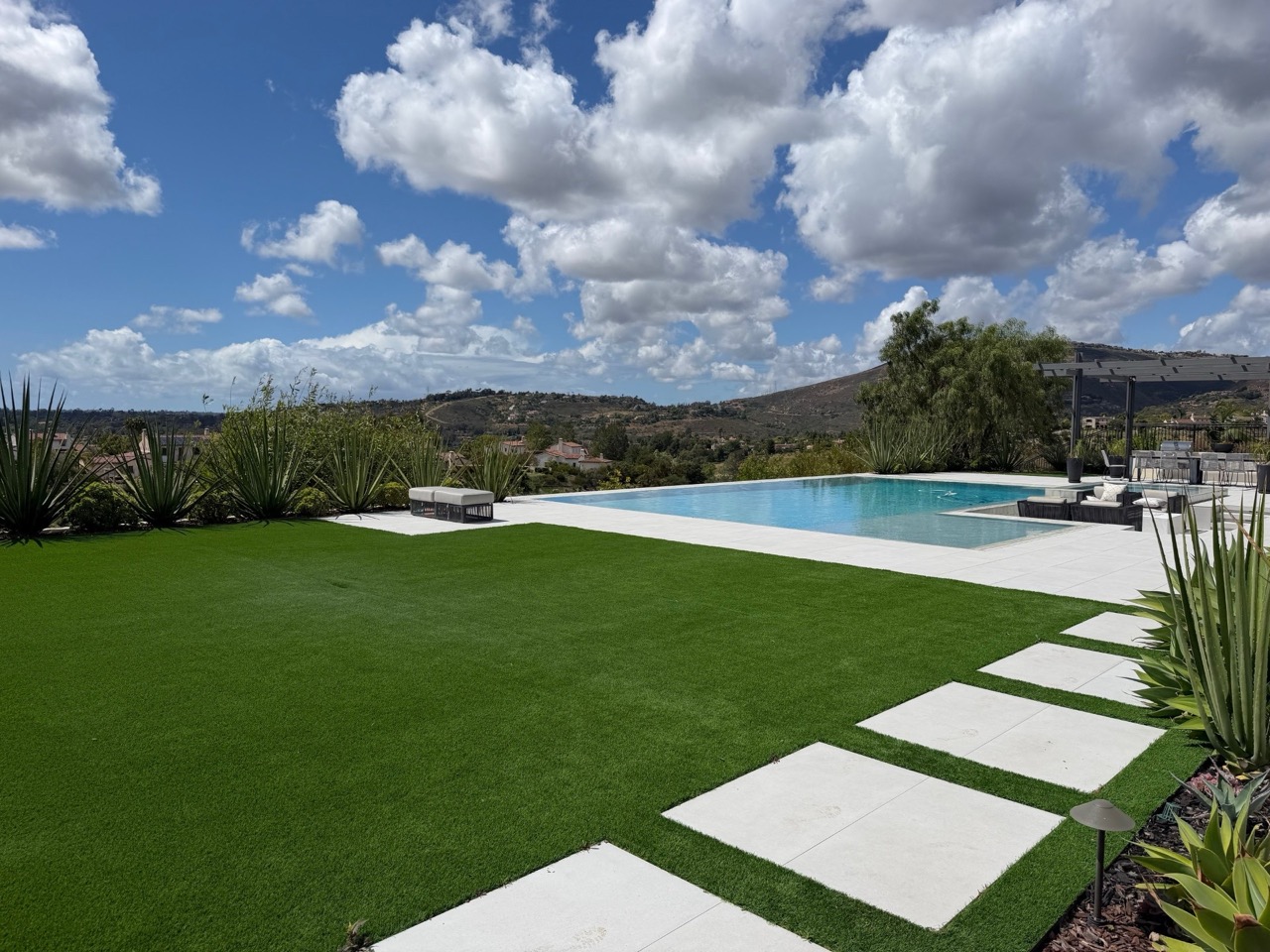
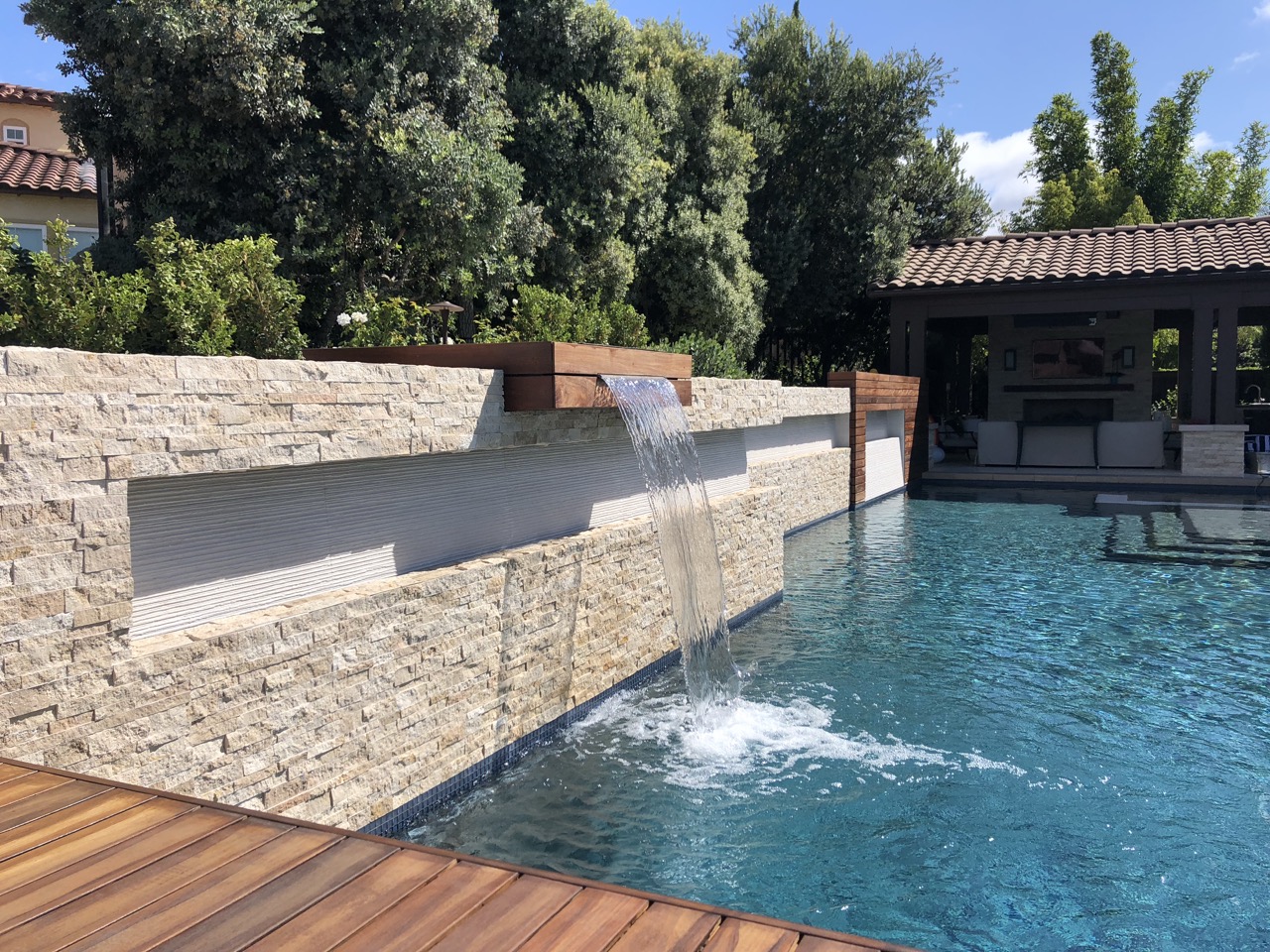
Planting is only one part of the design. Patios, walkways, retaining walls, gravel, stone, and shaded gathering areas can reduce the amount of irrigated landscape while making the yard more functional.
We balance softscape and hardscape so the property feels comfortable and usable rather than overly paved or underplanted.
What goes into a drought tolerant landscape plan
Can drought tolerant landscaping still look finished? Yes. A well-designed drought tolerant landscape can feel lush, structured, and cohesive while using water more responsibly.
That result comes from planning the full system, not just selecting low-water plants.
Plant selection, irrigation, and drainage strategy
Plants need to be matched to the conditions where they will grow. We consider sun, slope, soil, exposure, mature size, and water needs before determining placement.
Irrigation should also be designed around those planting zones. Efficient delivery helps avoid overwatering while giving each part of the landscape what it needs.
Drainage and grading matter too. Water should move through the property in a controlled way so planting areas, hardscape, and structures perform as intended.
Low-maintenance planning for long-term value
Drought tolerant does not automatically mean maintenance-free. Plant spacing, pruning requirements, irrigation access, mulch or gravel, and long-term growth all affect how easy a landscape is to maintain.
We plan around the mature landscape rather than only how it looks on installation day. That helps reduce overcrowding, unnecessary maintenance, and costly changes later.
Designing around the full property
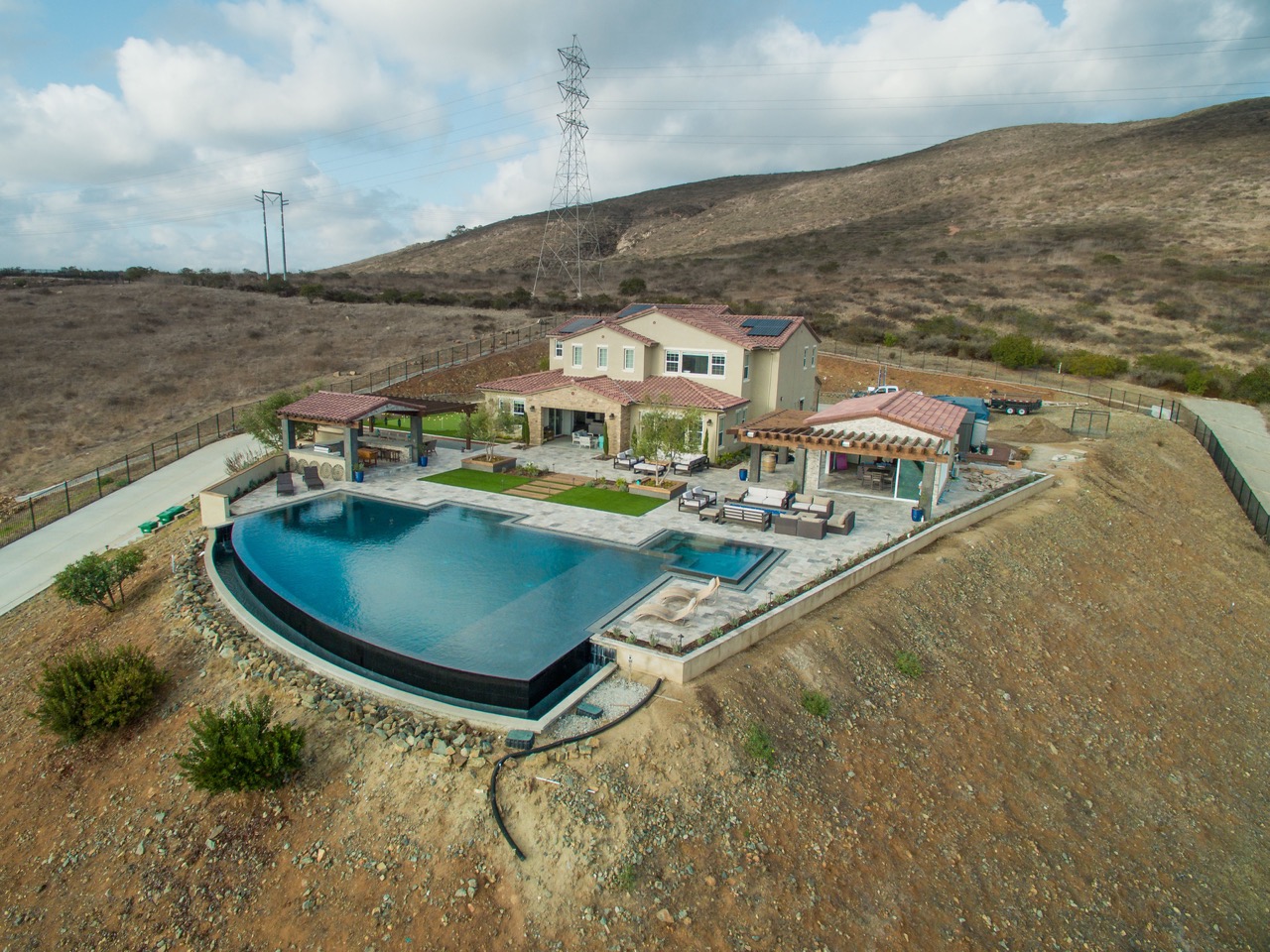
We approach drought tolerant landscaping as part of the larger outdoor environment. Planting should support the architecture, circulation, hardscape, and gathering areas rather than exist as a separate layer.
Connecting drought tolerant landscaping to outdoor living spaces
Low-water landscaping works especially well when coordinated with landscape design, patios and walkways, landscape lighting, retaining walls, and other outdoor living features.
Planting can soften patio edges, create privacy around seating areas, frame circulation routes, and help connect hardscape to the surrounding property.
When those decisions are made together, the yard feels more balanced and functions better day to day.
Creating a yard that feels intentional, not sparse
A low-water yard does not need to feel empty. Layered planting, carefully placed specimen plants, varied textures, groundcovers, and defined hardscape can create depth without relying on large areas of thirsty lawn.
We focus on proportion and repetition so the landscape has structure and visual continuity throughout the property.
Our work
Why homeowners choose Blue Stone
We combine practical landscape planning with full construction experience. That allows us to think beyond plant selection and coordinate the elements that influence how the property will actually perform.
Practical design thinking and clear process
We consider irrigation, drainage, grading, hardscape, maintenance, and how outdoor spaces will be used before construction begins.
We also provide detailed estimates and clear communication so you understand the scope, the decisions being made, and how those choices affect the overall investment.
One accountable team for the full project
Drought tolerant landscaping is often part of a larger outdoor remodel. With one accountable team, we can coordinate planting with hardscape, lighting, retaining walls, outdoor living areas, pools, and related construction.
That approach helps avoid pieced-together improvements and supports the complete outdoor environments Blue Stone is built around. It also reflects our emphasis on transparent pricing, consistent crews, clear communication, and work designed to hold up over time.
Frequently asked questions
What plants work well in drought tolerant landscaping?
The right plants depend on sun exposure, soil, slope, desired appearance, and maintenance expectations. Drought tolerant landscapes can include shrubs, grasses, succulents, groundcovers, and other climate-appropriate plants selected to work together as the landscape matures.
How does irrigation change in a drought tolerant yard?
Irrigation is typically organized around plant water needs so water is delivered more efficiently. Proper zoning and placement help reduce unnecessary watering while supporting healthy plant growth.
Can drought tolerant landscaping be combined with hardscape and outdoor living?
Yes. In many projects, low-water planting works best when coordinated with patios, walkways, retaining walls, lighting, seating areas, and other outdoor living features as part of one overall design.
How do you keep a low-water yard from feeling too bare?
We use layered planting, varied textures, thoughtful spacing, hardscape, and defined gathering areas to create structure and depth. The goal is a finished landscape with visual interest, not simply fewer plants.
Talk with our team about your project and let’s plan a landscape that uses water thoughtfully while still feeling complete.